Introduction
In recent years, there has been a growing interest in alternative healing practices that match conventional medication. Click here for more info One such practice is Reiki, a Japanese method that promotes relaxation, stress decrease, and healing. While Reiki might appear non-traditional to some, it has actually gained recognition and acceptance within the medical neighborhood as a complementary treatment. This article explores the connection in between Reiki and conventional medication, highlighting how these 2 methods can collaborate to improve overall wellness.
The History of Reiki
Reiki has its roots in Japan, where it was established by Mikao Usui in the early 20th century. The word "Reiki" can be broken down into two parts: "rei," indicating universal or spiritual, and "ki," describing vital force energy. Usui believed that this life force energy streams through all living beings and can be carried to promote healing. Over time, Reiki infected Western countries and acquired appeal as an alternative healing modality.
How Does Reiki Work?
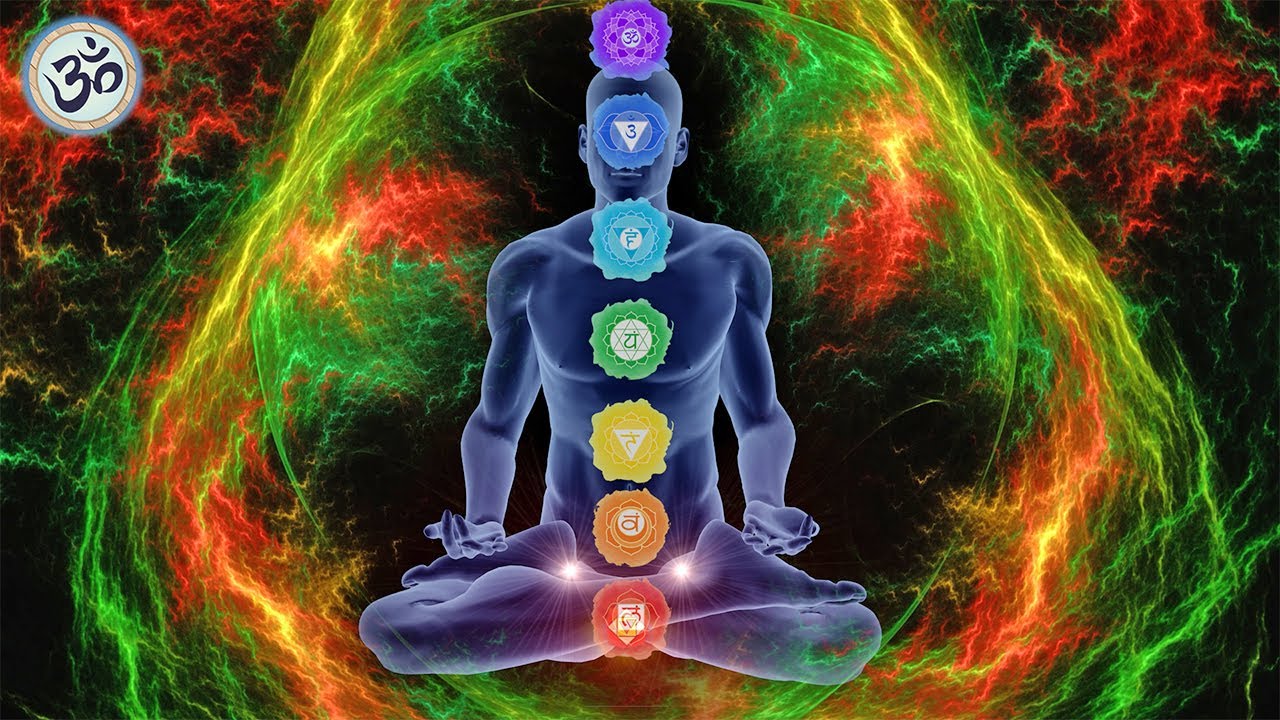
At its core, Reiki is based on the belief that our bodies have an innate ability to heal themselves. Practitioners use their hands to move healing energy to their customers through particular hand positions put on or near the body. These reiki hand positions are tactically chosen to target locations of imbalance or discomfort.
The energy moved throughout a reiki session is thought to help eliminate obstructions in the body's energy paths, allowing for a free flow of vital energy. This remediation of balance is thought to support physical, emotional, and spiritual well-being.
The Advantages of Reiki
Reiki uses various advantages for individuals looking for holistic healing. Some prospective advantages consist of:

The Connection between Reiki and Conventional Medicine
While Reiki is frequently considered an alternative treatment, it is increasingly being acknowledged as a valuable enhance to standard medication. Both methods share a typical goal of promoting recovery and wellness, albeit through various mechanisms.
Traditional medicine concentrates on identifying and treating particular diseases or conditions using medications, surgeries, or other interventions. Reiki, on the other hand, addresses the hidden energy imbalances that might contribute to these health issues.
By integrating reiki into a treatment plan, doctor can provide a holistic method that deals with both the physical and energetic aspects of health. This integrated technique can result in better results for clients by promoting general wellness and supporting the body's natural healing processes.
FAQs about Reiki and Standard Medicine
Can Reiki change conventional medical treatments?- No, Reiki needs to not be considered as a replacement for standard medical treatments. It is planned to complement existing therapies and enhance overall well-being.
- While clinical research on Reiki is still emerging, numerous studies have shown promising lead to regards to discomfort decrease, stress relief, and enhanced quality of life.
- Yes, anybody can discover Reiki with correct training from a certified specialist or teacher.
- Receiving a reiki session is generally safe and non-invasive. Some individuals might experience temporary feelings such as heat or tingling during the session.
- The variety of reiki sessions required differs depending on the specific and their specific goals. Some individuals might experience instant advantages, while others might require multiple sessions to attain wanted outcomes.
- Yes, range or remote reiki sessions are possible, where the professional sends out healing energy to the recipient regardless of physical proximity.
Conclusion
The connection in between Reiki and traditional medicine represents a harmonious combination of techniques that intend to promote healing and wellness. While standard medication concentrates on detecting and treating specific conditions, Reiki uses a holistic perspective by dealing with energetic imbalances that may add to health issues. By accepting both methods, people can access a comprehensive approach to health that improves total health. Whether used as a standalone treatment or in conjunction with conventional medicine, Reiki has the possible to support people on their journey towards optimum health and healing.
